

James Victore: Don't Be a Design Zombie
Originally published 2010. Updated March 2026.
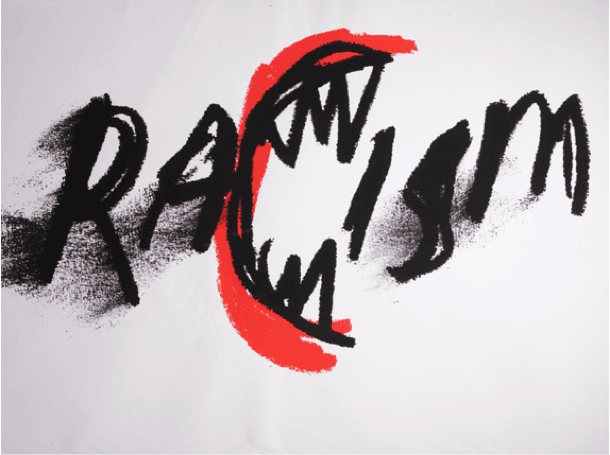
James Victore is a man of action. He believes that knowing about jazz and wine and auto-racing can make you a better designer. That graphic design is about experiences and stories and using your hands. That the best designs punch you in the gut — or, at the very least, stop you in your tracks.
His silkscreen posters, his books, his Burning Questions video series — all of it comes from the same conviction: that a designer’s life outside the studio is what feeds the work inside it.
Victore has been teaching at the School of Visual Arts in New York for years. His message has not changed because it does not need to: a computer is not a creative tool. It is a production tool. The creative work happens somewhere else.
What follows is adapted from an interview by Jocelyn K. Glei, originally published at 99U (formerly The 99%). James Victore has always been one of our favourite graphic designers — our students encounter his work throughout the graphic design courses we teach. This interview, from 2010, still rings true. The excerpts below are the parts we return to most.

So you like time away from computers. Do you do all of your sketching and writing on paper?
Paper, and not in the studio. I’ll go to a bar or a restaurant. When I did the book, I left the studio every morning and went to the park and sat for an hour, hour and a half. I brought an idea, and I wrote longhand in one of these big sketchbooks. Then I would come into the studio and work during the day. Afterwards, at 4 or 5 o’clock, I’d go to my bar, sit with a beer or two, and refine it. Or write on a new idea. It became this really nice daily process. And it became a habit.
I can’t do the think-work in the studio. The studio’s for putting stuff together — for work-work. And if we’re not doing work-work, then we leave.
How many great architecture ideas have been drawn on napkins? Because they’re free. They’re not thinking about work.
And it’s fast, right? We’re obsessed with efficiency, and sometimes we forget how much faster drawing is.
My third-year students at SVA aren’t allowed to use computers. It really frustrates them because they don’t know how to use their hands.
But I say: listen, I know how much time it takes to boot up a computer, open InDesign, get a box, type a letter, make it this big, then that big, then this big again, move it over here, make it red, resize it again. And you’re not designing. You’re organising. That’s easy. Worry about that later.
The work you do before you ever put pen to paper — that is the important part.
You talk a lot about life experience feeding design work. Can you say more about that?
Knowing about jazz, wine, and auto-racing makes you a better designer. This is not a side point. It is the whole point.
When you know things deeply — when you have real curiosity about the world outside design — you have more to bring to a brief. Design is a language. The more you have lived, the more you have to say.
A zombie does not have experiences. A zombie does not have opinions. A zombie executes. Do not be a zombie.
What is your advice to young designers who feel they should know everything already?
Stop trying to be good. Try to be interesting.
Good is safe. Good is forgettable. Interesting is what makes work stop people in their tracks — which is, after all, what you are being paid for.
The gut-punch in a great poster comes from the designer having lived something, cared about something, had a point of view. You cannot get that from a template. You cannot get it from studying trends. You get it from paying attention to your own life.
Where is James Victore now?
Victore continues to create, teach, and speak. His Burning Questions video series — short, provocative reflections on creative life — has found a new generation of fans on YouTube and Instagram. His book Feck Perfuction (2019) distils his philosophy into a form that is easy to carry around and impossible to ignore.
If you have not come across his work yet, start there. Or with the posters. Either way, you will not come away thinking the same thoughts about design.
For more designers who have shaped how we think about graphic design, see our post on putting together an effective portfolio — or explore the professional practice series on the TGDS blog.
The Graphic Design School has been teaching graphic design online since 2008. The conviction that design is fed by a full life — not just screen time — is one we share with Victore. Our Certificate IV in Graphic Design is self-paced, fully accredited, and supported by our team seven days a week.
Ready to start your design career?
Study graphic design online, at your own pace, with 1:1 support from our Support Angels. Accredited RTO since 2008.
Explore our courses