

A Day in the Life at the Leo Burnett Agency
Originally published 2014. Updated March 2026.
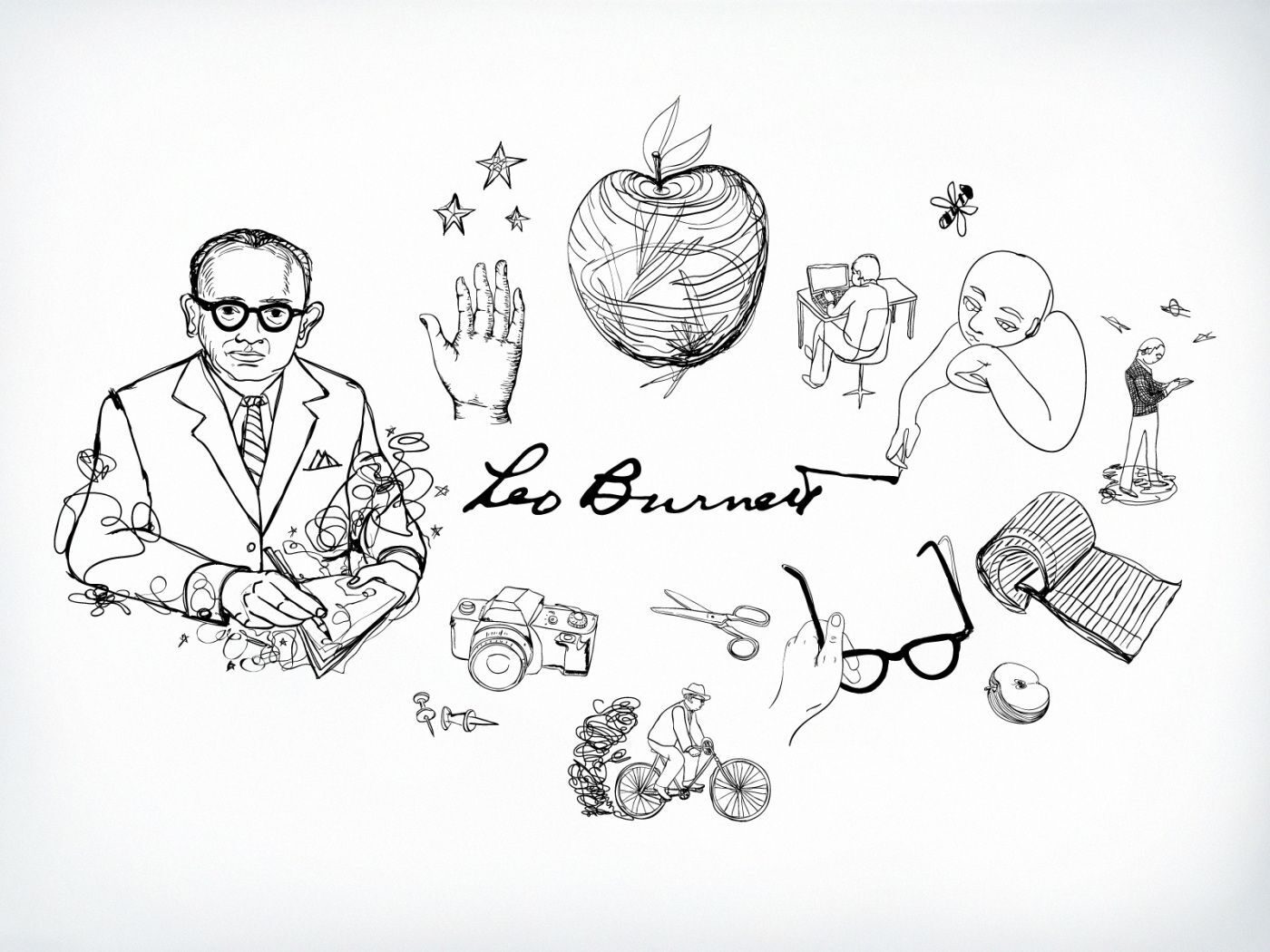
Leo Burnett built one of advertising’s most enduring legacies on a simple premise: that the best ideas speak to something universal in people. The Marlboro Man. The Jolly Green Giant. Tony the Tiger. Characters so embedded in culture that three of them rank among the most recognised brand icons in the world.
Leo Burnett Worldwide now operates in over 90 countries. The agency has changed enormously — hybrid working, distributed teams, digital-first campaigns — but its founding philosophy has not. Big ideas still come from the big pencil.
We were lucky enough to follow Art Director Djordje Joksimovic through a day at Leo Burnett Belgrade. His account is candid, warm, and a genuine window into what agency life actually looks and feels like.
For graphic design students thinking about whether an agency career is for them — whether they see themselves as an Art Director, Copywriter, or Creative Director — this is worth reading. And so is our post on self-promotion and winning work, which maps the path to getting in the door.


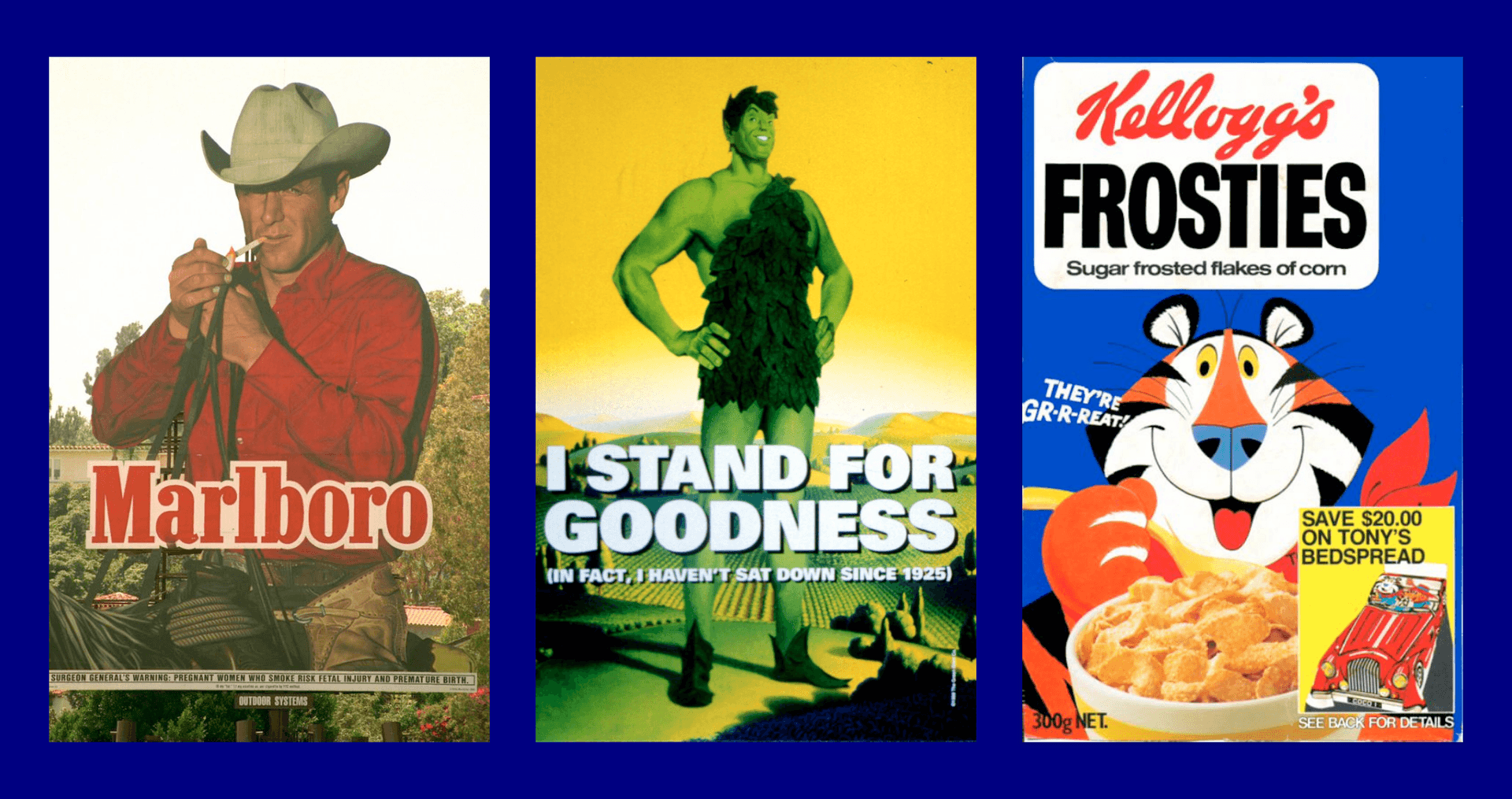
Leo Burnett’s character work kick-started a career spanning decades and dozens of multinational agencies. Three of his creations are among the most recognised brand icons in the world.
Big ideas come from the big pencil
That statement is the engine behind Leo Burnett’s thinking — alongside what the agency calls a “humankind” approach. The single greatest asset for Leo and for design schools alike is people.
In the end, it comes down to who you meet, talk to, network with, work alongside, respect, and occasionally avoid. At Leo, I have the opportunity every day to work with top professionals from many different areas of expertise. The advice, opinions, and skills of each individual form a network of highly skilled assistance at my fingertips. That is priceless.


Leo Burnett Belgrade has a specific climate. We call it a “relaxed” atmosphere.
Your priority is to finish the day’s work — not to arrive at a particular time. Working hours are nominally 9am to 5pm, but many people arrive after 10. So long as the eight hours are there, and the work is done, that is what counts.
This atmosphere gives you the freedom to find your own way of functioning at your best. It can make life difficult for the Accounts department when they need to gather everyone for a group meeting. But that is the trade-off. Designers are the kind of people you handle carefully — their work requires the space to think, and that means flexibility.
The agency world in 2026 has shifted further in this direction. Hybrid and remote working are now standard at most major networks, including Leo Burnett. The pressure to be seen at a desk has largely given way to the pressure to produce ideas. That is, broadly speaking, a good change.

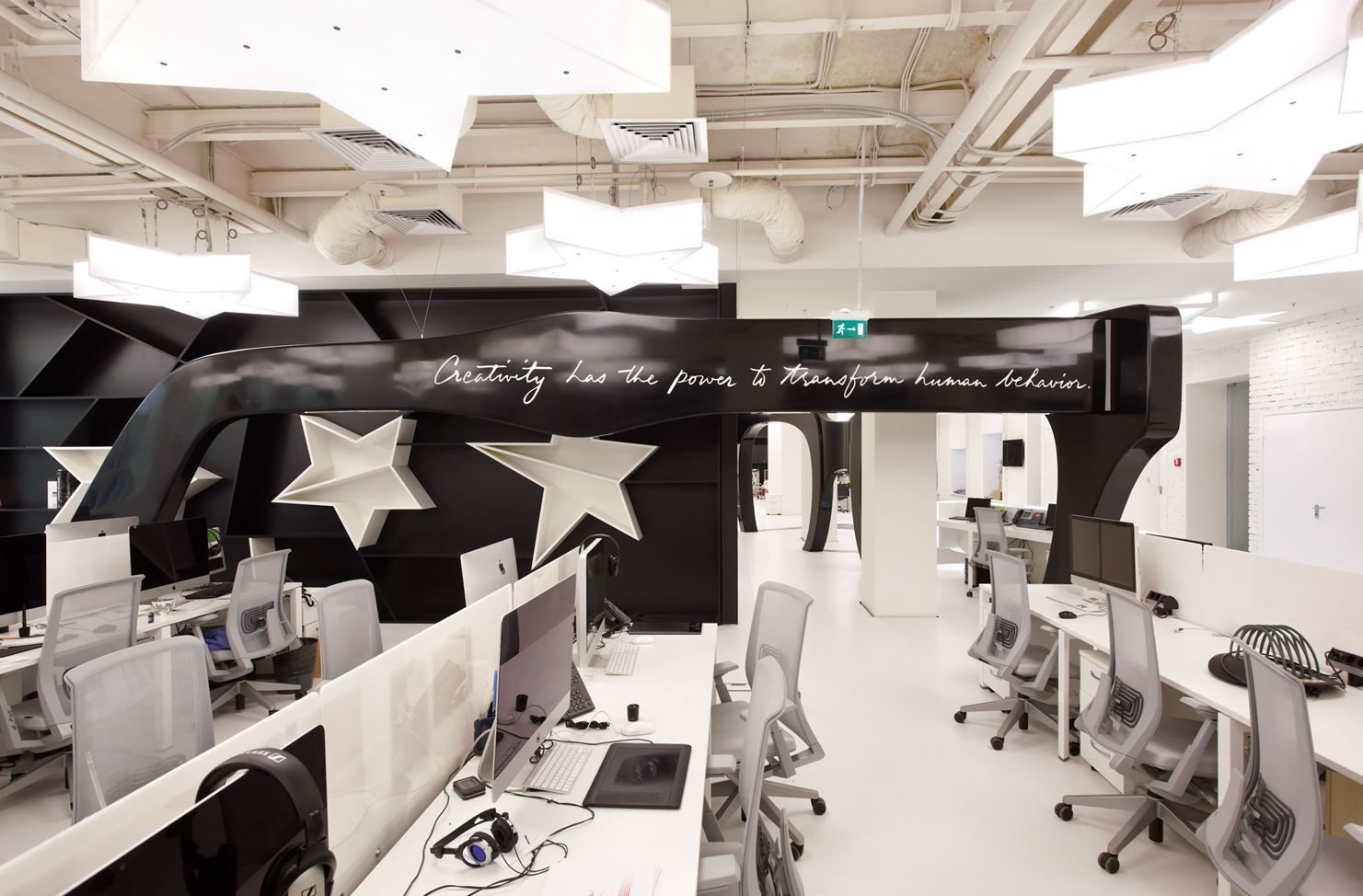
One of the greatest challenges for a creative in this kind of environment is the constant juggling between the Logical and Creative sides of the agency.
Think of it as the two hemispheres of a brain. The Logical side — Accounts, Traffic, Media — focuses on communication goals, logistics, and business outcomes. The Creative side — Designers, Copywriters, the Art department — builds the fantasy. The Logicals help refine that fantasy to meet the brief. In unison, the two sides perfect the storytelling that drives results.
As director, author, and producer Hermann Vaske put it: advertising is the fine art of separating people from their money. That tension — between the creative impulse and the commercial reality — is what makes agency life interesting. And occasionally exhausting.
Advertising is the fine art of separating people from their money
Image Campaign — Heinz. Agency Location: Paris. Creative Director: Stephan Ferens. Copywriter / Art Director: Eric Esculier.
The most rewarding part of the work — once every detail of a campaign has been refined — is feedback. We find out when the campaign hits the streets. That is the litmus test. That is the moment you discover whether you have invested yourself in something that earns real pride, or something that lands with a thud.
Learning never stops. Campaigns sharpen your thinking in ways no classroom can. But I believe real learning starts on the first day you walk into an agency. Advertising is a tough world. Every day you bury another unused idea that seemed as bright as a star. And yet you keep reaching for the next one.
Paul Arden said it best: “It’s not how good you are, it’s how good you want to be.” He was right. The better you want to be, the better colleagues you attract, the more people you inspire, the more the work improves. That is not just a career philosophy. It is a life one. And it starts with deciding what you actually want.

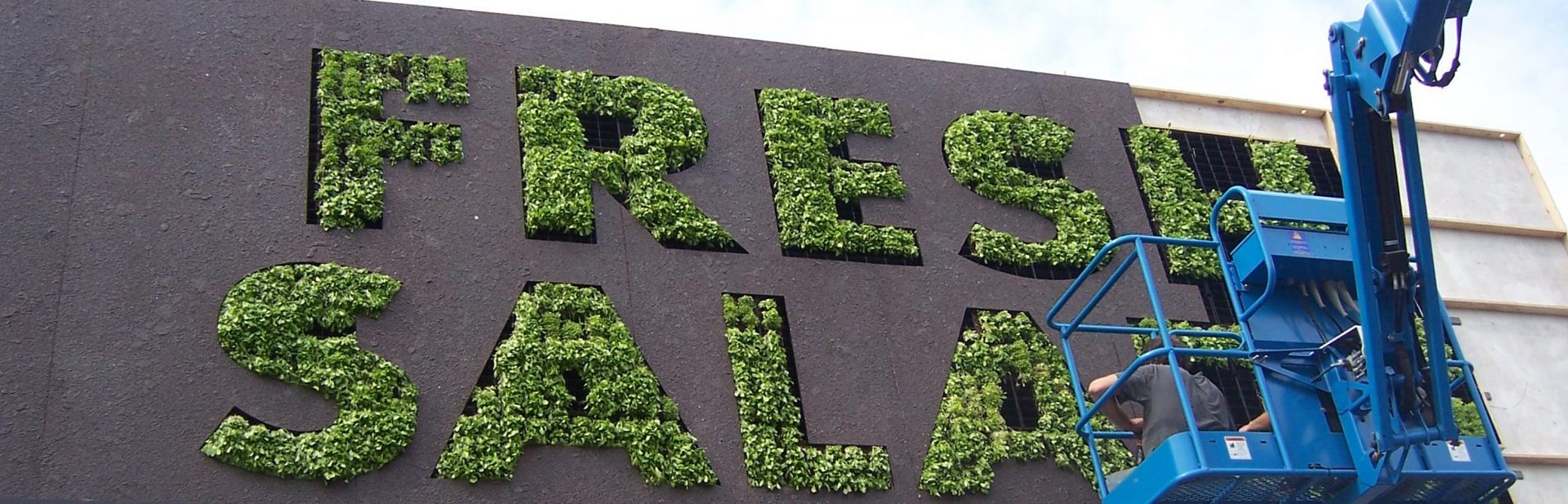
McDonalds campaign — Leo Burnett Chicago. Global Chief Creative Officer: Mark Tutssel. Chief Creative Officer: John Condon. EVP/Creative Group Head: John Montgomery. Creative Directors: V. Cook, G. Fox-Robertson, B. Shembeda, A. Gross.
Working among creatives, you become constantly aware of the ego that lives in every room. We are certain about how great we are, how strong the idea is, how the campaign should run. What working at an agency teaches you — if you are paying attention — is that sharing knowledge is not a weakness. It is the thing that makes the whole enterprise move.
People who do not share their ideas probably do not have many of them anyway.
Leo Burnett Belgrade has 120 employees and many walls. But colleagues are not segregated by department or team — the agency has deliberately moved the barriers. We support and enrich each other’s thinking. If we have not shifted those metaphorical barriers by the end of the day, the day has been unproductive.
And yet: the Art Director and Copywriter still team up to work in close, micro-environments — presenting ideas together, grinding through long nights on pitches, holding the creative tension between words and images that makes good advertising possible. That pairing is as old as the industry and still works.
And so starts another day. Fresh enough to rewind the film of how I got here. A new morning in Belgrade. Clean head, full drive. The communal Leo Burnett coffee machine is already running. Double shot, warm milk, one sugar.
Definitions that may be useful
Copywriter — responsible for an advertisement’s verbal or textual content, working closely with the Art Director on the campaign concept.
Art Director — works in tandem with the Copywriter to devise the “big idea” for an ad, campaign, or piece of communications. An A.D. brings visual thinking; the Copywriter brings verbal thinking. Ideally, neither just illustrates the other — each enhances what the other has done.
Accounts — the client-facing arm of the agency. Account executives determine creative strategy with the client, then coordinate creative, media, and production teams to deliver it.
Creative Director — oversees the design and direction of branding and advertising for a client. Interprets the communications strategy, develops creative approaches, and leads the creative team.
Traffic — regulates the flow of work through the agency. Manages timelines, reduces false starts, and ensures the right work reaches the right people at the right time. Often the unsung engine of a well-run agency.
Featured Designer: Djordje Joksimovic
Featured Agency: Leo Burnett
Djordje’s principles as an Art Director:
- Communication is a priority.
- Perception is everything.
- Design is the key.
“Design is the way we talk to each other these days. Doing so in clear, direct, honest, and interesting ways — we can make better things, and make things better.”
The Graphic Design School has been teaching design online since 2008. If agency life interests you — or if you are building the foundation to get there — our Certificate IV in Graphic Design is self-paced, fully accredited, and backed by Support Angels available seven days a week. You can also read our full guide on self-promotion and winning work to understand how to position yourself for the agency world.
Ready to start your design career?
Study graphic design online, at your own pace, with 1:1 support from our Support Angels. Accredited RTO since 2008.
Explore our courses