

Putting Together an Effective Portfolio
Originally published 2014. Updated March 2026.
We have to love our portfolios, agonise over what goes into them, and tend and nurture them as we would a sapling we’d once planted. Nothing should be left to chance — not even tiny details, as it’s these, at times, that we may be judged on.
So let us not delay any longer, but instead plunge into the sober, matte black folds of the portfolio.
What to Include


What should a freelance designer’s portfolio contain? For starters, no more than 6–10 projects. Any more and you risk your interviews dragging on whilst prospective employers glance at their watch.
Try not to include two too similar projects, even if you’re equally proud of both. Each piece should carry its own unique narrative. The exception: a series of projects for one client — say a triptych of biannual trade brochures — which together demonstrate the development of a concept and can be presented as a single cohesive project.

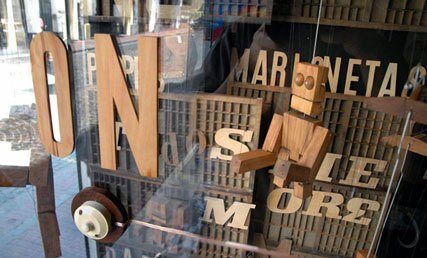
Your portfolio truly is your shop window to the world, offering others a glimpse of your priorities, competencies and professional level. Sweat blood over it.
For traditional print portfolios, high-quality printouts of uniform size work best. Include developmental and conceptual work alongside the final solutions. Inject uniformity — it looks neat, consistent, and your efforts won’t go unnoticed. Make sure each project tells its own unique story, and go to brow-furrowing lengths deciding what to include and in what order.
Print-based designers will naturally want to include finished printed pieces, combined with printouts explaining the journey of each project. Web-based designers can use frames from websites they’ve designed, which can accompany actual visits around the live sites if a laptop is present.

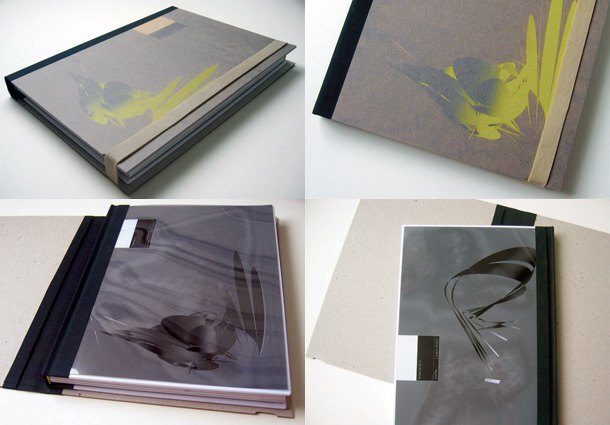
A dazzlingly original portfolio concept: a series of perfect-bound books contained within a slipcase, all bound with an elastic band.
The Receptacle Itself

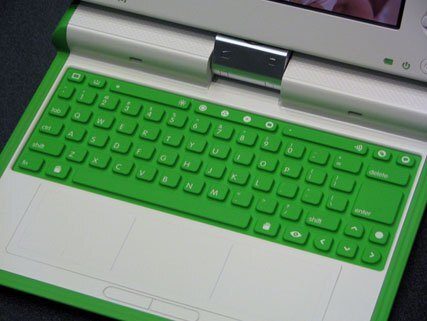
“Don’t fret, it’s what’s inside that counts” we are told by our mothers when spurned by a playground sweetheart. With regard to the portfolio, though, the exterior — the actual physical receptacle you carry your work around in — matters a great deal too.
The slim black case, once beloved by all, has over the decades become ubiquitous and predictable. It carries an evergreen appeal, in the same way that gallery spaces with white walls and blonde floors do. Because of its very ubiquity, though, the slim black case is no longer going to raise any eyebrows. Employers will have seen thousands of them.
Think about something a little different. The key here remains discretion: a receptacle whose appearance visually overpowers the work within has failed in a basic aim — much as a gallery in charge of a Mondrian retrospective would if it hung the great Modernist’s canvases on garish flock wallpaper.
Photographers’ archive boxes make handsome receptacles for a freelancer’s portfolio. They are sturdy, protective, beautifully made from acid-free materials and discreet in design. Their self-folding covers carry just enough weight to open and lie flat with a pleasing clunk.
Of immense practical value: they allow you to carry your work loose-leaf. Loose-leaf printouts allow you to pass individual pieces around to everyone in the room — and this is A Good Thing. Compare this to the ringbound portfolio, which requires you to frequently turn the case around and awkwardly flip plastic sleeves as you go.


“Thou shalt not use Powerpoint to present thy portfolio.”
A laptop, if you have one, can be your main portfolio receptacle. Laptops are good for this — a modern, not-too-scuffed device can make a slick impression. Be sure to have all the technical bases covered before presenting; arriving with an uncharged laptop, without a charger, is not going to impress anybody.
A laptop allows for expedient and rapid updating of work. You can shuffle things around, add and omit projects as you see fit, and effectively tailor your body of work to suit each new meeting and interview. If you do pursue this route, avoid using Powerpoint in your presentations — everybody by now should know that this software is the last word in corporate uncool.
Digital-First Portfolios in 2026
The landscape has shifted since this post was first written. A physical portfolio still carries weight in certain contexts — particularly for print designers and senior roles. But for most designers, an online portfolio is the primary first impression.
The platforms worth your time in 2026:
- Behance — the industry standard for showing process alongside finished work. Adobe integration makes it frictionless
- Dribbble — strong for UI and visual design; community-driven with direct recruitment activity
- Your own website — the highest-trust option. A well-designed personal site signals exactly the skills you’re selling
- Figma — increasingly used to share interactive prototypes and design systems; excellent for UX and product design portfolios
Whatever platform you choose, apply the same discipline as the physical portfolio: 6–10 projects, clear narrative for each, consistent photography and presentation. The medium changes. The principles do not.

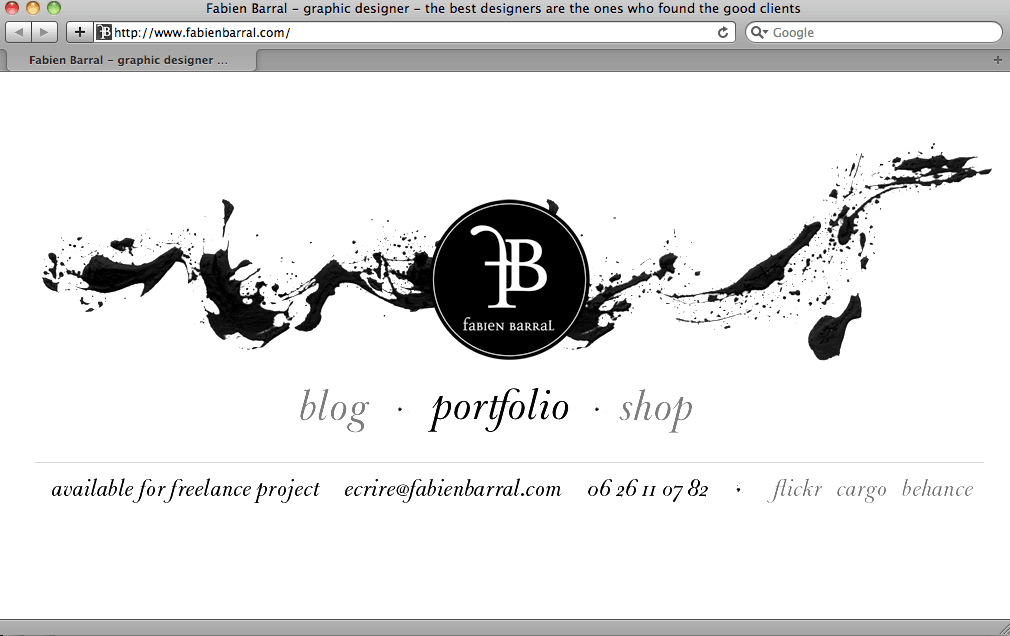
Portfolio site of designer Fabien Barral — a good example of a personal website that reflects the designer’s personality whilst presenting the work clearly.
Take as much care with your online portfolio as you would your physical one. Strive for uniformity and dynamism in your photography of projects, and make sure that images and PDFs are of consistently high resolution. Write concise, sharp explanations to accompany the work and organise it in an intuitive, level-based fashion.
A Dynamic Process

Don’t, through neglect or complacency, allow your portfolio to become stale.
If not tended regularly, portfolios can make their owners seem static — much as a restaurant that hasn’t updated its menu or décor since the 1970s would appear. Your relationship with your portfolio (for that’s what it really is) should be a dynamic process which engages your thoughts and labour continuously.
A portfolio assembled two years ago may have once seemed the finest thing alive. If not updated and cared for as necessary, projects become vaguely dated, printouts and interleaves stick together, and if you spend a lot of time carrying them around, pieces inside may become dog-eared and crumpled. Keep things shipshape. If printouts look worse for wear, replace them. Rotate, add and omit projects when desirable.
For more on self-promotion and winning work, read Professional Design Practice: Lesson 1. For advice on presenting work in meetings, see Lesson 6: The Presentation.
Useful Top Tips
- Keep things small. A portfolio any larger than A3 is too big
- Keep things clean and uncrumpled
- Loose-leaf sheets are better than ring-bound sleeves
- Assembling a portfolio is not a one-off exercise, but a dynamic and continual process
- Request other people’s comments and allow this information to flow back into how you maintain your portfolio
- Interleave your loose-leaf sheets with a bold substrate — choose something that complements, not overpowers, the work
- If you carry your portfolio on a laptop, avoid Powerpoint in your presentations


The restless, questing disposition of the freelancer when putting together their portfolio is an asset, not a fault.
In Sum
A restless disposition when it comes to the personal portfolio is, according to Adrian Shaughnessey, a strength, not a weakness: “Designers are never happy [with their portfolios]. I’ve known many competent and talented designers who’ve begun portfolio sessions with an apology: ‘I’m just about to redo it,’ they say; or, ‘Sorry, it’s a bit out of date.’ It seems to be a designer foible that the portfolio is ‘never finished’ and ‘never representative of current work’. Yet far from being a sign of weakness, this is a good sign: It indicates a restless and necessary desire to improve and develop.”


Keep things on the smaller side. A portfolio any larger than A3 for the graphic designer is, nine times out of ten, unnecessary.
To reiterate what I stated at the top: your portfolio is your second most important asset after your personality, and thus requires the thought, care and attention this level of importance deserves. Pour thought and care — not to mention funds — into things. Leave nothing to chance. Be unswerving in your commitment to the upkeep and presentation of your portfolio.
Perhaps most important of all: each project included should not be composed of merely an arresting image, but tell a compelling story about you as a designer and the process you went through. This is the key to an effective and resonant portfolio.
Ready to develop the skills and body of work that fills a portfolio like this? Our Certificate IV in Graphic Design builds the professional practice knowledge — and the design projects — that make a portfolio worth presenting.
Ready to start your design career?
Study graphic design online, at your own pace, with 1:1 support from our Support Angels. Accredited RTO since 2008.
Explore our courses