

Logo Trends and Galleries
Originally published 2009. Updated March 2026.
Logo trends are a funny thing. They are real — you can see them in any year’s gallery output — but chasing them is usually a mistake. The tension between trend awareness and timeless thinking is one of the most interesting debates in identity design.
This post collects the best logo galleries and trend resources we’ve found, alongside a curated look at the trend categories that Logo Lounge, Abduzeedo, and others identified in that era. We’ve added notes where those trends have resurface or evolved in recent years — because many of them have.
A Note on AI-Generated Logos
Since this post was first published, the landscape has changed significantly. AI tools — Midjourney, Adobe Firefly, and dedicated logo generators — can now produce compelling-looking marks in seconds. This has not reduced the need for skilled logo designers. It has raised the bar.
AI-generated outputs tend to be raster images, not vectors, and they reflect training data — which means they often echo existing visual trends rather than developing original directions. Understanding why a trend works, and when to apply it versus resist it, is the kind of judgement that takes time and study to develop. That is what separates a designer from a prompt writer.
With that context in mind, here is the curated gallery collection.

Logo Lounge Trend Report
Logo Lounge has been publishing its annual trend report since 2000, drawing on a database of tens of thousands of submitted logo designs. It remains one of the most data-driven approaches to identifying movements in identity design.
Gossamer


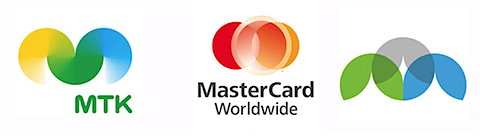
Circulate

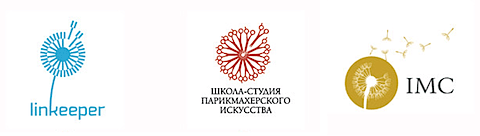
Dandelion

Recycle


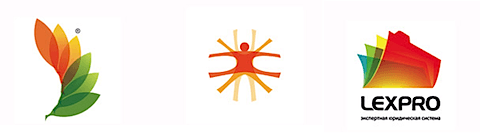
Sequential

Mosaic


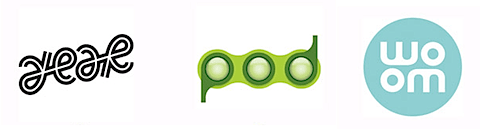
Flip Flop

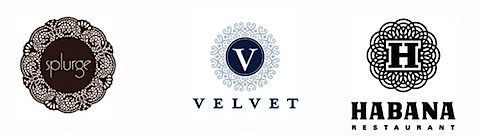
Doily

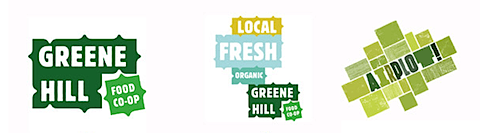
Monologue

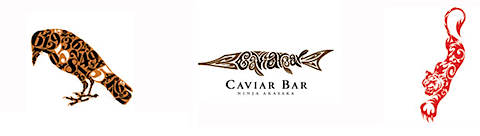
Encrust

Texting


Candy Stripes

Vari Dot

Concealed


Photo Fill


Logo Orange Trend Report
Puzzle Patterns

Puzzle Patterns

Street Art

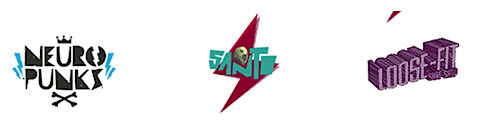
80s Geometry Lesson


Typographic Logos

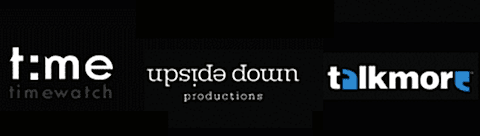
Pictograms


Classic Modernism


Arabesque

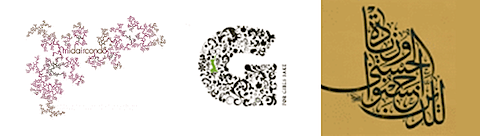
Tactile Logos


Psychedelic Pop Backgrounds


Origami

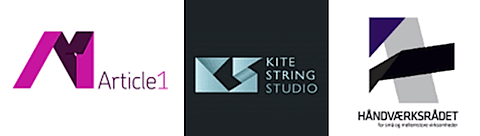
Abduzeedo Logo Trends
Abduzeedo has been a reliable source of design inspiration and trend analysis since 2006.
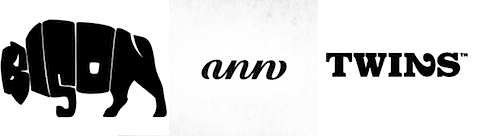
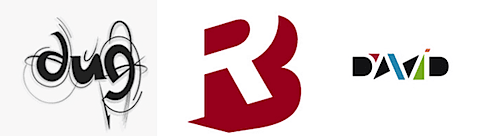
Amazing One Element Logos


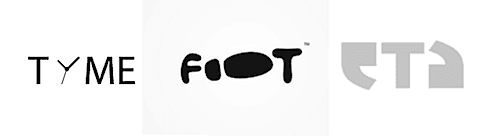

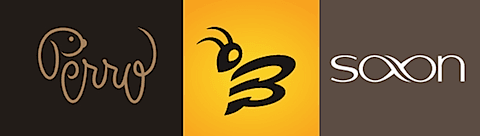

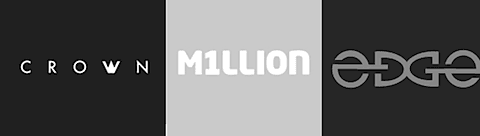










Graphic Design Blog Trend Report
Graphic Design Blog offered a parallel taxonomy of the same period’s trends — useful for cross-referencing how different observers read the same visual moment.


Classic Modernism


Typographic Logos

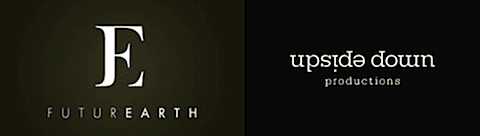
Psychedelic Pop Backgrounds


Puzzle Patterns

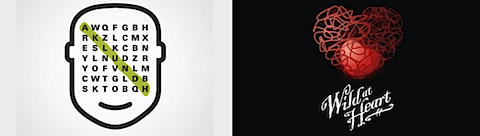
Arabesque

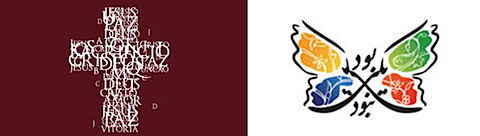
Pictograms

Tactile


80s Geometry

Origami

Street Art

The Argument Against Logo Trends
Not everyone thinks trend-tracking is good for logo design. These three pieces make a strong case for the opposing view — worth reading alongside the galleries above.
The central argument: if your logo looks like this year’s trend, it will look dated in three years. Identity is a long-term investment. The marks that endure are the ones built on clear thinking about the brand, not on what everyone else was doing at the time.
That said, trend awareness is not the same as trend-following. Knowing what the current visual language is helps you make conscious decisions — whether to work with it or against it.
Im Just Creative

David Airey


David Airey’s writing on trends can be found at logodesignlove.com.
Design Bay


Logo Designer Blog


Logo Galleries Worth Bookmarking
Beyond trend reports, these galleries are the places to browse for inspiration, study recent work, and understand where identity design is heading.
Logo Faves


Logo Faves curates identity work by quality rather than trend category — a useful counterpoint to the taxonomic approach of the annual reports.
Creattica


Creative Pro


Creative Pro covers tools, technique, and industry news for professional designers.
Brand New


Brand New / UnderConsideration is the gold standard for identity criticism. Every major rebrand gets a thorough write-up, with community commentary that is usually more interesting than the press release.
Logo Pond


Logo Pond is a long-running gallery of submitted work — useful for both inspiration and for understanding the general standard of practice across the industry.
Logo Bee

What Trends Tell Us — and What They Don’t
Looking back at the 2009 trends from the vantage point of 2026, a few observations stand out.
Several of those categories — Classic Modernism, Typographic Logos, Pictograms — have never really gone away. They are not trends in any meaningful sense; they are recurring expressions of fundamental logo design principles. They appear in every year’s trend report because they keep working.
Others — Gossamer, Doily, Psychedelic Pop — are genuinely period-specific. They capture a cultural moment accurately and then recede. Seeing them now is useful as design history rather than as practice guidance.
The 2026 landscape has added its own categories: gradient logos, hyper-minimal marks, retro revivals, and the growing presence of AI-influenced aesthetics. The underlying question remains the same as it was in 2009: is this a trend that expresses something true about the brand, or is it just what everyone else is doing?
For the principles behind making that call, read our posts on 6 things to keep in mind when designing a logo and the visual history of 26 logos and their design evolution.
At The Graphic Design School, logo and identity design is a core part of our Certificate IV in Graphic Design. We teach the thinking, not just the tools — so graduates understand why a design works, not just how to produce it.
Ready to start your design career?
Study graphic design online, at your own pace, with 1:1 support from our Support Angels. Accredited RTO since 2008.
Explore our courses