
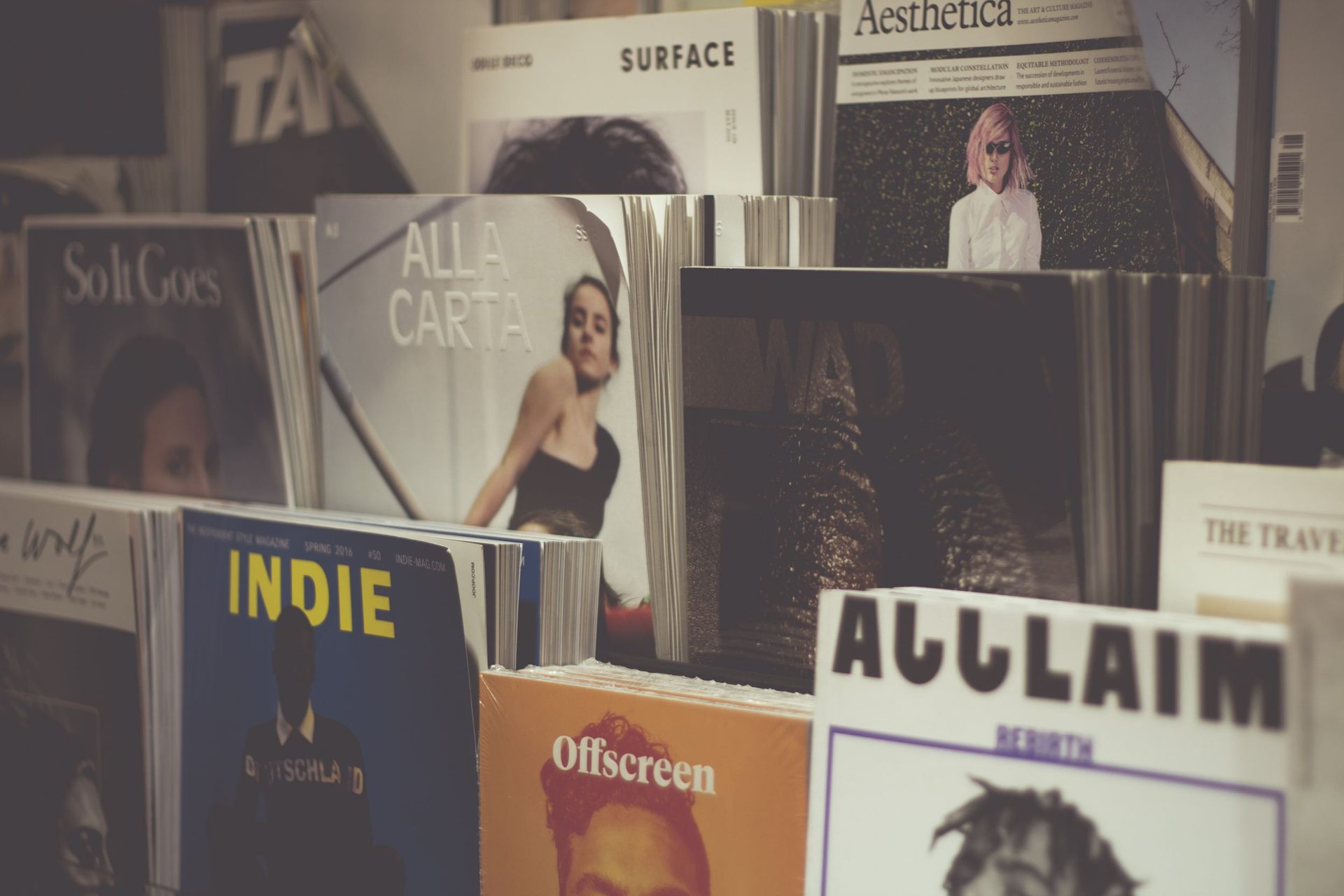
A State of Independents
Originally published 2014. Updated March 2026.
While mainstream publishers continue to stare grimly at plummeting sales figures, falling advertising income and budget cuts, independent titles are thriving. New ones appear every month — beautifully designed, deeply considered, covering every conceivable subject from fashion and architecture to sneaker culture.
There is no victory of style over substance here. Each small publisher seems to care genuinely about their chosen field and has the expertise to back it up. Here are four titles that appeared in British design bookshops in recent years. Any one would make a fine addition to any designer’s bookshelf.

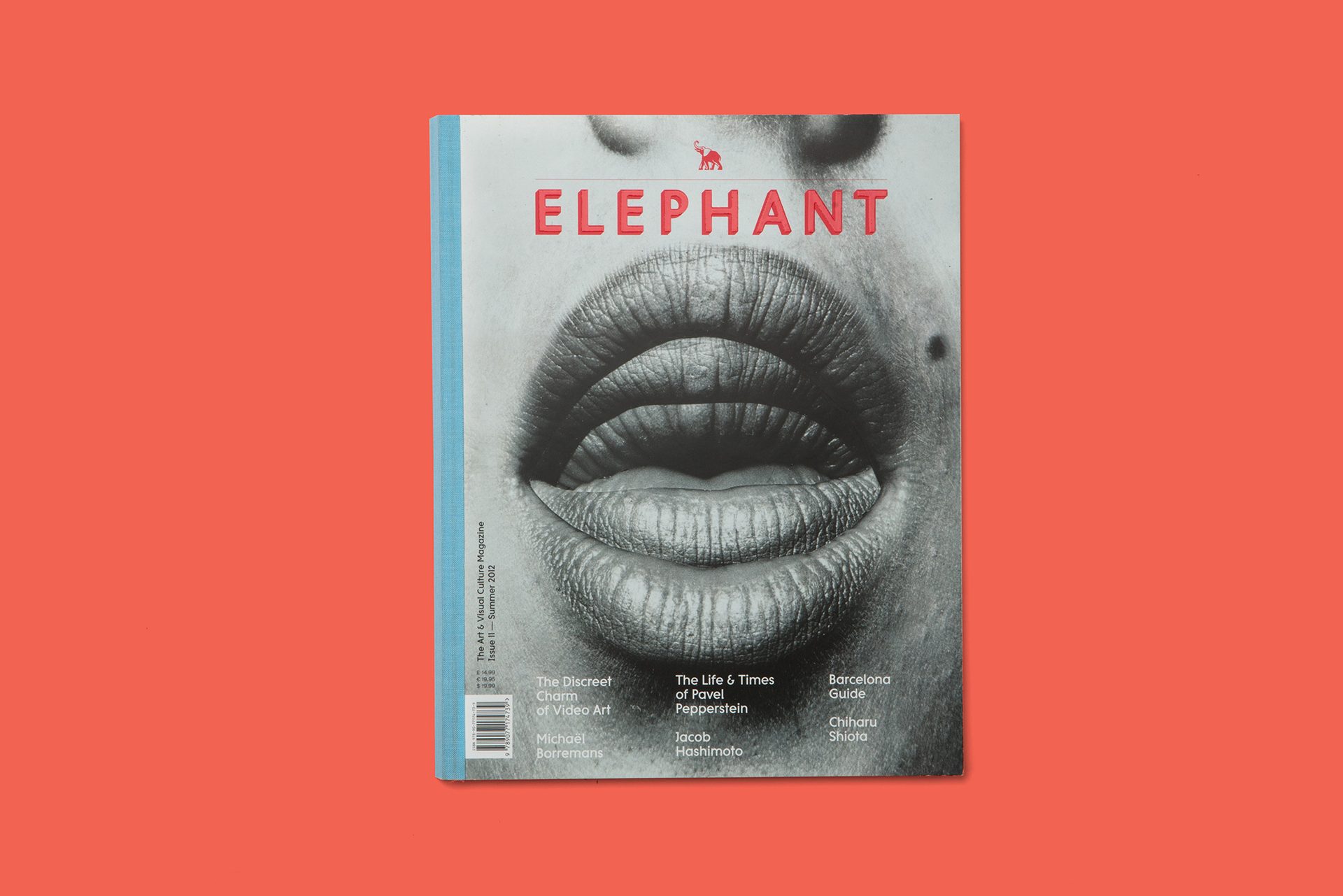
Elephant magazine focuses on art and visual culture, divided into five parts: meetings, research, studio visits, economies and cities. It has grown considerably since this post was first written — it is now a well-established presence in the visual culture sector, and its editorial approach remains genuinely ambitious. If you read one art and design magazine, this is the one.

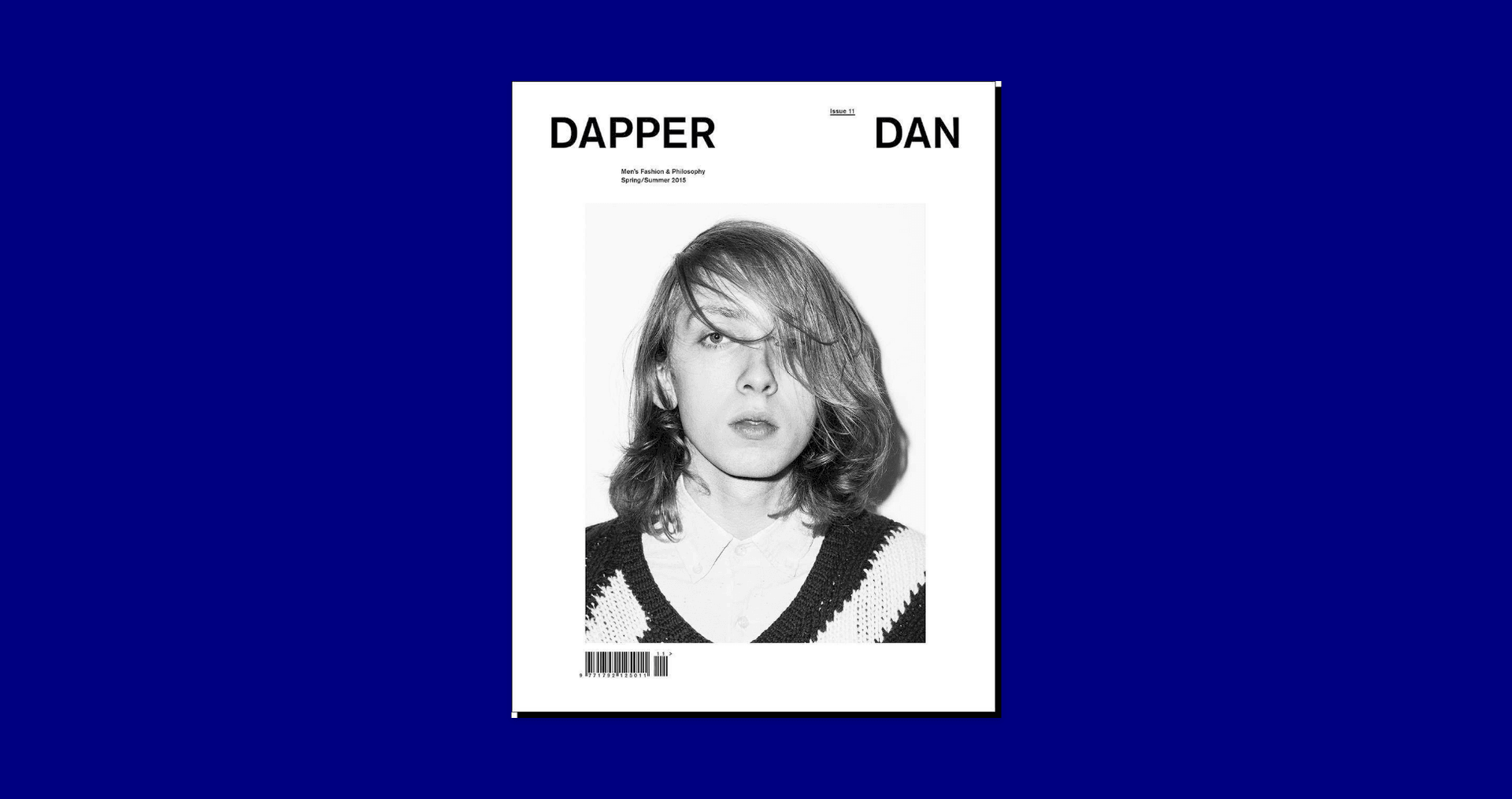
Dapper Dan is a men’s magazine created in Athens, Greece and published twice a year, spanning fashion, culture and philosophy through striking photography and thoughtful texts. According to their website, it is “for the man who doesn’t feel he should have to be like everybody else.”
What stands out is the conviction. Athens is not a publishing capital. Twice-yearly publication is not a commercial model. Neither fact stopped them. That kind of determination to publish on their own terms, regardless of conventional wisdom, is something the design world could use more of.
File Magazine

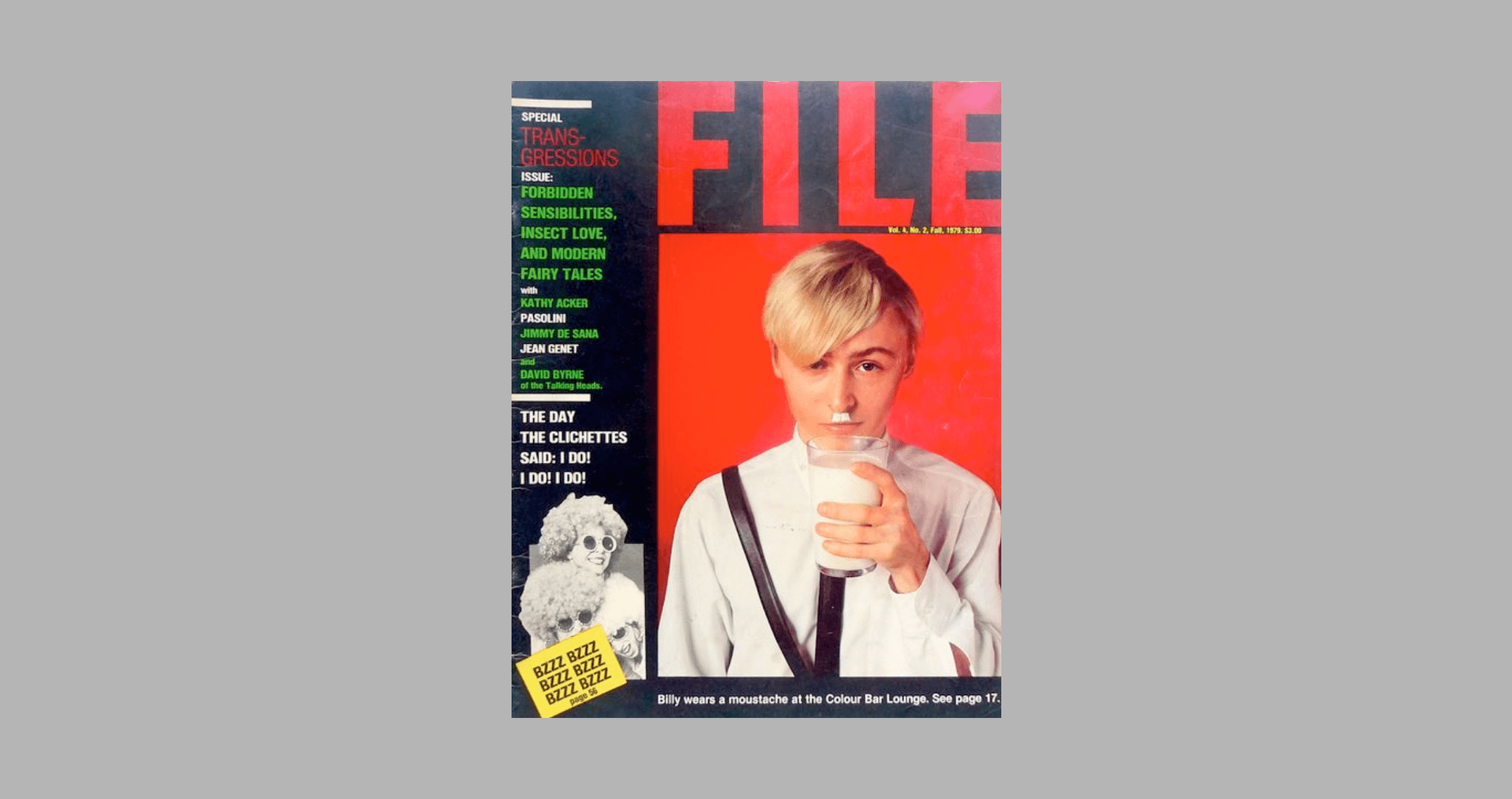
File Magazine is a bi-annual publication featuring a broad selection of visual communication in graphic design, art, photography, fashion and moving image. Beautifully presented in a 30 x 39cm hard cover with a full-colour 96-page newsprint inner stitched inside. Each issue is accompanied by a full-screen online player screening the issue’s short films, music videos and documentaries. A magazine to both watch and read — which is exactly the kind of formal ambition that keeps print interesting.

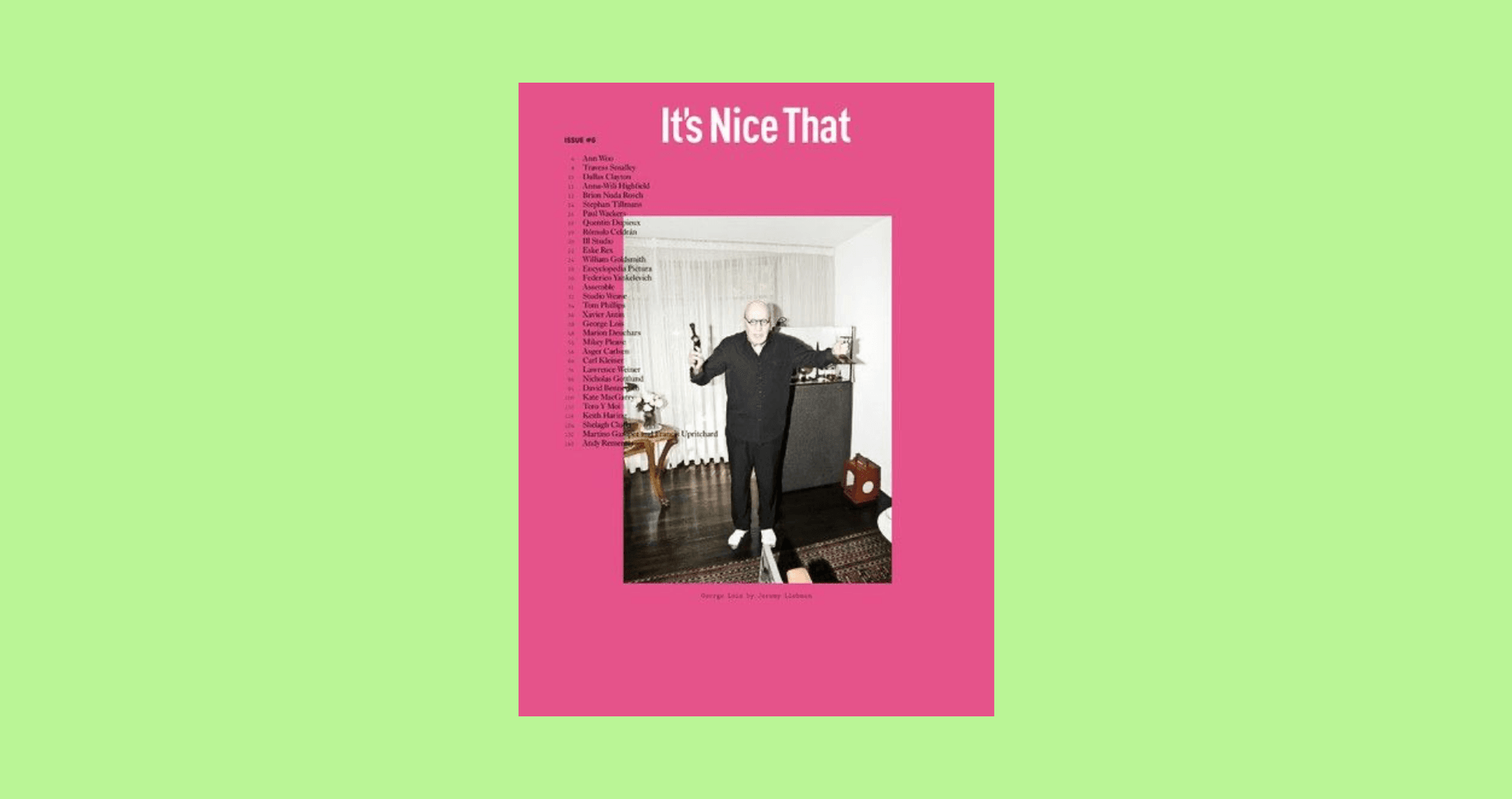
It’s Nice That has grown from a modest independent publication to one of the most read design platforms in the world — but it started exactly as described here: as an independent title showcasing graphic design, product design and illustration, published every April and October, entirely advertising free.
The advertising-free model was a statement of intent. It said: the editorial is the product. That principle — that design media should be as considered as the design it covers — is worth holding onto.
What independent publishing tells us
Something is happening in publishing that mirrors what has been happening in design practice more broadly. The centre is not holding. Mainstream titles consolidate, cut and chase clicks. Independents proliferate, invest in craft, and find their audiences.
As Jeremy Leslie of magCulture wrote in Creative Review: “It’s the tangible, physical medium of print that people turn to for self-expression.” A decade on, that observation still holds. The medium has not loosened its hold on the creative imagination. If anything, its cultural value has increased as digital noise has grown.
The independent publishing model and the independent design practice model have a lot in common: small, committed, expert, uncompromising. At TGDS, we think that combination — genuine expertise applied with independence of mind — is what produces the most interesting designers.
For more on design culture and professional practice, read our Focus: Graphic Design Studio Websites post, or explore how our Certificate IV in Graphic Design trains designers to think independently from the ground up.
Ready to start your design career?
Study graphic design online, at your own pace, with 1:1 support from our Support Angels. Accredited RTO since 2008.
Explore our courses